Across Europe, long-established trades continue to shape the food, surroundings and everyday routines of individual regions.
Fish markets operate beside Roman-era streets, ceramic workshops use techniques passed between generations, and seasonal harvests still determine what appears in local kitchens.
These practices give travellers a more specific understanding of a destination than a sequence of major landmarks.
A private workshop appointment, market visit or tour led by a local specialist can explain how a craft developed and why it remains relevant. Accommodation in a restored historic property can add further context when its architecture reflects the materials and working traditions of the area.
These five destinations focus on regional skills, produce and customs which remain part of local life, providing a culturally grounded basis for a European holiday.
Shopping the morning market inside Diocletian’s Palace in Split, Croatia
Pazar, Split’s open-air produce market, operates each morning beside the eastern wall of Diocletian’s Palace. Its fruit, vegetable and cheese stalls stand close to the Silver Gate and the limestone palace complex built for Emperor Diocletian around the beginning of the fourth century.
Producers from the Dalmatian hinterland sell seasonal ingredients, while other stalls stock regional goods such as sun-dried figs, rock samphire and sheep’s milk Paški sir from the island of Pag.
A walk through the palace and across the historic centre leads to Peškarija, Split’s fish market. Opened in 1890, its stone-and-iron hall contains counters displaying the morning’s Adriatic catch, which can include sardines, red mullet and John Dory. The glazed roof and high openings provide light and ventilation, while the market’s location reflects Split’s longstanding connection with coastal fishing.

A private kitchen can be particularly useful to travellers exploring holiday villas in Split, as it allows produce from Pazar and fish from Peškarija to become part of the day’s meals. Available produce changes through the year, such as wild asparagus appearing in spring and pomegranates and walnuts arriving in autumn.
Browsing hand-painted ceramic corkshops in Vietri sul Mare, Italy
Vietri sul Mare, at the eastern end of the Amalfi Coast, has a documented ceramic tradition extending back several centuries. Its workshops produce majolica tableware and tiles using a multi-stage process. Shaped clay is fired, covered with an opaque glaze and painted by hand before returning to the kiln for a second firing. This technique gives Vietri ceramics their glossy surface and distinct brushwork.
Plates, jugs and architectural tiles carry motifs drawn from local life, including fish, flowers, fruit and donkeys. The town’s style changed during the 1920s and 1930s when artists from German-speaking Europe worked alongside local ceramicists. Richard Dölker helped popularise the stylised donkey, known locally as the ciuccio, which remains a familiar motif alongside yellow, blue and green glazes.
A ceramics factory designed by Paolo Soleri in 1954 provides an architectural expression of the same trade, with thousands of terracotta vessels incorporated into its exterior. Private workshop appointments can allow visitors to watch individual stages of production or paint a prepared piece under an artisan’s direction. Commissioning tableware or tiles directly from a family-run bottega provides a more personal connection to the craft and supports its continued practice.
Tracing wool-town architecture in the Cotswolds, England
During the Middle Ages, the Cotswolds became an important centre of the English wool trade, with fleeces exported to buyers across Europe. The long-woolled sheep associated with the area became known as the Cotswold Lion. Wealthy wool merchants invested their profits in churches, houses and civic buildings, leaving a distinct architectural legacy across Gloucestershire and Oxfordshire.
Chipping Campden contains rows of buildings constructed from locally quarried oolitic limestone.

Its covered Market Hall was built in 1627 by Sir Baptist Hicks to shelter traders selling goods such as butter, cheese and poultry. Although it postdates the height of the medieval wool trade, it reflects the town’s continuing role as a regional marketplace.
In Northleach, the 15th-century Church of St Peter and St Paul is closely associated with merchants who made their fortunes from wool.
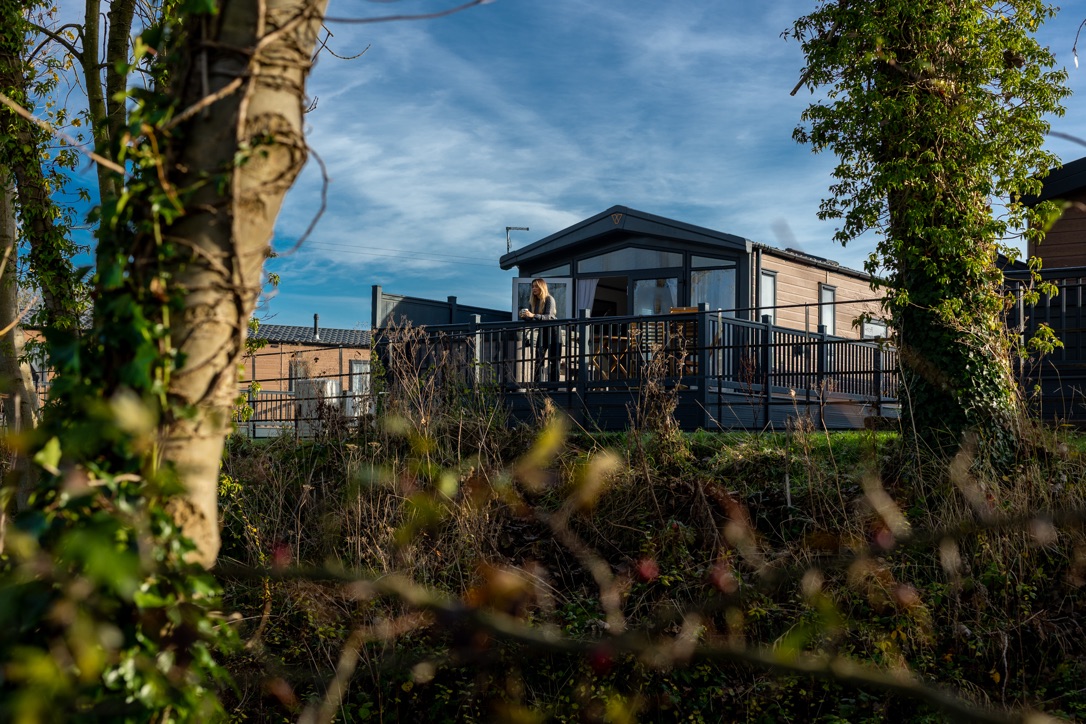
Historic stone properties in these former market towns may appeal to anyone shortlisting UK self-catering cottages, particularly when their architectural features reflect the area’s trading history.
Tasting centuries-old olive groves in Crete, Greece
In the foothills of western Crete, evidence of olive cultivation extends back to the Minoan civilisation. The landscape around Kolymvari and the village of Spilia contains productive groves of Koroneiki olives alongside older Tsounati trees. In Ano Vouves stands the Olive Tree of Vouves, a living monument with a trunk circumference exceeding 12 metres. Its exact age can’t be established because the oldest heartwood no longer survives, although scientific estimates place it at several thousand years old. The tree remains productive and has been grafted with the Tsounati variety.
Producers within the Kolymvari Protected Designation of Origin area harvest Koroneiki olives using a mixture of hand-held tools, nets and mechanical equipment. At mills using cold extraction, the fruit is processed at temperatures below 27°C to preserve its aromas and other characteristics. Private tastings can compare early-harvest oils with milder oils produced later in the season, while mill visits explain the shift from stone millstones to modern centrifuge systems.
Olive oil also remains central to local cooking, appearing uncooked over barley rusks known as dakos and boiled wild greens called chorta.
These dishes show how cultivation, milling and everyday meals remain connected across rural Crete.
Wandering lavender fields in Provence, France
On the Valensole Plateau and around the village of Sault, lavender cultivation remains an important part of the rural economy. Farmers distinguish between fine lavender (Lavandula angustifolia), grown mainly at higher elevations, and lavandin (Lavandula × intermedia), cultivated more widely for essential oils, soaps and fragrances.

Near Gordes, the 12th-century Cistercian Abbey of Sénanque sits beside fields of lavandin cultivated by its monastic community. Founded in 1148, the abbey remains an active monastery, with lavender cultivation forming part of its agricultural work.
Harvesting takes place from summer onwards, with timing depending on altitude, weather and variety. The cut flowering tops are transported to regional distilleries, where steam releases the aromatic compounds before the vapour is cooled and separated into essential oil and floral water. Fine lavender requires substantially more plant material than lavandin to produce the same quantity of oil.
A specialist museum near Coustellet displays historic copper stills and explains the development of local distillation. Producers around Sault also sell oils at their distilleries, including qualifying Huile essentielle de lavande de Haute-Provence AOP. Public walking routes around the Albion Plateau provide views across cultivated fields, but visitors should follow marked paths and respect private farmland.